If you’re in forestry or just a weekend warrior tackling your garden, a Ridgeline chainsaw might be your new best friend. This ultimate guide breaks down everything you need to know about these powerful tools, blending expert advice with a dash of humor to keep things lively.


DISCLOSURE: https://chainsaws.io/ is supported by you the reader so if you buy any products featured on this site I may earn an affiliate commission. As an Amazon Associate I earn from qualifying purchases
Here’s what we’ll cover:


- Understanding Ridgeline chainsaws: features and types
- Benefits of using a Ridgeline chainsaw
- How to choose the perfect Ridgeline chainsaw for you
- Safety tips to keep your fingers intact
- Maintenance hacks and troubleshooting common issues
Let’s get you revved up and ready to cut through both wood and confusion.
Understanding Ridgeline Chainsaws
Key Features and Specifications
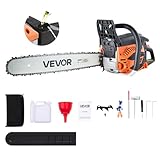
Ridgeline chainsaws are known for packing a punch with reliable performance suited for both professional forestry workers and home enthusiasts. Typically, they boast powerful engines ranging from 40cc to 70cc, delivering enough bark-busting RPMs to tackle everything from thick logs to pesky branches. Many models feature ergonomic designs with vibration-dampening handles, making long hours easier on your hands than you’d expect. Plus, Ridgeline doesn’t skimp on safety, chain brakes and automatic oiler systems are pretty standard.


Different Types of Ridgeline Chainsaws
Variety is the spice of life, and Ridgeline offers plenty. There’s the gas-powered workhorse, perfect when freedom from cords is a must, and the electric version for quieter, eco-friendlier jobs around your garden. Want cordless convenience? Ridgeline Lithium-ion battery models give you decent runtime without tying you down.
From compact models aimed at light pruning to heavy-duty beasts for felling trees, there’s a Ridgeline chainsaw crafted for your every need. Just remember: bigger isn’t always better if your project is more hedge than hardwood.
Benefits of Using a Ridgeline Chainsaw
Why pick Ridgeline? For starters, their chainsaws tend to blend power with affordability, a sweet spot for pros and hobbyists alike. Their tools often come with quick-start technology, meaning less time cursing and more time cutting.
Rugged durability is another perk. Many Ridgeline models endure tough conditions, so you’re not left stranded in the forest. Plus, consistent chain tension and lubrication extend blade life, saving you money on replacements.
Did you know? Chainsaw-related injuries dropped by nearly 20% after the adoption of modern safety features like those on Ridgeline saws (Consumer Safety Report, 2024). It’s proof that investing in a well-made chainsaw doesn’t just save trees, it protects your fingers too.
How to Choose the Right Ridgeline Chainsaw for Your Needs
Picking your perfect Ridgeline chainsaw isn’t rocket science, but a few key factors will keep you sharp.
First, think about your typical cutting tasks. Are you managing woodland or just tidying your yard? If your projects are light, a smaller electric or battery model might do the trick. For tougher jobs, lean toward more robust gas-powered options.
Also, size and weight matter. You don’t want to feel like you’re wrestling a bear. Test a few if you can, comfort is king.
Important Safety Tips When Using a Ridgeline Chainsaw
Don’t let the fun fool you, chainsaws are serious business. Always gear up with gloves, eye protection, and chainsaw chaps. Never work alone and keep a firm footing: slippery roots are silent enemies.
Practice proper starting technique: point the saw away from yourself and clear the area first.
Keep your chain sharp and tensioned, a dull chain is more dangerous than a dull axe. And remember, cutting above shoulder height? Think twice. It’s a fast track to mishaps.
Maintenance and Care for Ridgeline Chainsaws
Just like a trusty steed, your Ridgeline chainsaw needs TLC. After every use, wipe down debris, check chain tension, and clean or replace the air filter.
Don’t forget to empty the fuel mix if you won’t use the saw for a while. Stale fuel gums up your engine faster than you can say “stick shift.”
Common Problems and Troubleshooting
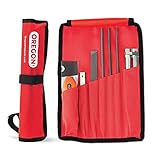
If your chainsaw struggles to start, check the spark plug and clean or replace it if it looks foul. A clogged carburetor might also be the culprit: a simple cleaning kit is your friend here.
Oil leaks? Tighten the oil reservoir cap and inspect the seals. Chains that won’t stay sharpened might need replacement, blades don’t last forever, no matter how good your sharpening skills are.
Remember, routine maintenance not only prolongs your chainsaw’s life but keeps it running smoothly and safely.
Conclusion
Ridgeline Chainsaw: Your Go-To Partner for All Things Woodcutting
Choosing the right Ridgeline chainsaw and maintaining it properly can make your forestry work and DIY projects much more enjoyable and safer. Here’s a quick rundown:
- Ridgeline offers a range from lightweight electric to powerful gas models tailored to different jobs.
- Their saws marry performance with safety, incorporating features that help prevent injury.
- Picking the right chainsaw involves matching the tool to your task, comfort, and preference.
- Always prioritize safety gear and proper handling to avoid accidents.
- Regular maintenance keeps your chainsaw in top condition and prevents costly breakdowns.
With your Ridgeline chainsaw tuned and ready, those mountains of wood won’t stand a chance, just remember to keep your wits about you and enjoy the satisfying sound of a job well done.