When I think about chainsaws, I’m often amazed by their power and precision. But have you ever wondered just how fast the chain spins? Understanding the speed of a chainsaw chain is crucial for both safety and efficiency, whether you’re a seasoned lumberjack or a weekend warrior tackling yard work.
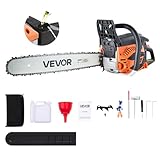


DISCLOSURE: https://chainsaws.io/ is supported by you the reader so if you buy any products featured on this site I may earn an affiliate commission. As an Amazon Associate I earn from qualifying purchases
The speed at which a chainsaw spins can significantly impact its cutting performance. It’s not just about raw power; the right speed can mean the difference between a clean cut and a frustrating jam. In this article, I’ll dive into the fascinating world of chainsaw mechanics and explore the factors that influence chain speed, helping you make the most out of your cutting tasks.


Understanding Chainsaw Speed
Understanding chainsaw speed is crucial for achieving efficient and safe cutting performance. Chain speed directly influences how well a chainsaw cuts through wood, impacting both effectiveness and user safety.
Importance of RPM in Chainsaws
Revolutions per minute (RPM) indicate how fast the chainsaw chain spins. Chainsaws typically range from 13 to 25 meters per second, or about 40 to 80 feet per second. Higher RPMs provide faster cuts and efficient wood removal. While increased speed improves cutting performance, it can also lead to overheating and chain wear if not managed properly. For optimal operation, I prioritize maintaining the right RPM for the task at hand, ensuring clean cuts without damaging the chain or machine.



Factors Affecting Chainsaw Speed
Several factors influence chainsaw speed, including:
- Engine Power: More powerful engines generate higher RPMs, enabling faster chain speeds.
- Chain Type: Chain specifications, such as pitch and gauge, affect speed. Narrower chains often spin faster due to reduced resistance.
- Chain Tension: Proper tension ensures the chain runs smoothly. Loose chains may slow down, causing inefficiencies.
- Bar Length: Longer bars may require more energy to cut, which can decrease the effective speed.
- Material Type: Different wood species and densities impact cutting efficiency. Hardwoods often require slower speeds compared to softwoods to avoid excessive wear.
I keep these factors in mind when operating my chainsaw to optimize performance and achieve better cutting results.
Chainsaw Speed Specifications
Chainsaw speed specifications vary significantly across different models and types. Understanding these specifications helps achieve optimal performance and efficiency.
Typical RPM for Different Chainsaw Models
Chainsaws typically operate within a range of 7,000 to 15,000 RPM.
- Light-duty chainsaws: RPM usually ranges from 7,000 to 10,000.
- Medium-duty chainsaws: RPM falls between 10,000 and 12,000.
- Heavy-duty chainsaws: RPM often reaches 13,000 to 15,000.
Higher RPM generally equates to faster cutting speeds. However, increased RPM can elevate the risk of overheating and wear on the chain.
Variance in Speed Based on Chain Type
Different chain types affect chainsaw speed significantly.
- Square-ground chains: Typically provide faster cutting speeds due to sharper angles and designs, making them suitable for logs and hardwood.
- Round-ground chains: Offer smoother cutting but may operate at lower speeds, often preferred for general-purpose use and softer woods.
- Skip-tooth chains: Designed for faster cutting, this type has fewer teeth, resulting in higher speeds but less smoothness in cuts.
- Full-chisel chains: Deliver high cutting speeds with square-cornered teeth, ideal for clean cuts in softer woods.
Selecting the right chain type is essential for achieving desired speed and efficiency during cutting tasks.
Practical Implications of Chainsaw Speed
Chainsaw speed has practical implications for both cutting efficiency and safety. Understanding how speed influences performance helps in making informed choices during tree felling or limb trimming tasks.
Efficiency in Cutting
Efficiency in cutting relies significantly on chainsaw speed. Chainsaw chains typically operate between 13 to 25 meters per second (40 to 80 feet per second). At higher RPMs, chainsaws cut through wood swiftly, producing clean cuts. For light-duty tasks, operating around 7,000 to 10,000 RPM is adequate. In contrast, medium to heavy-duty chainsaws operate at 10,000 to 15,000 RPM, allowing for quicker results on tougher materials.
Factors such as chain type and bar length influence cutting efficiency. For example, full-chisel chains offer faster cutting speeds but require precise working conditions. Understanding the specific RPM ranges for various chainsaws can guide me in selecting the ideal tool for each task. This knowledge ensures I maintain productivity while achieving desirable results in my cutting projects.
Safety Considerations
Safety considerations play a vital role when dealing with chainsaw speed. Operating a chainsaw at excessive speeds can lead to overheating, chain wear, and increased risk of kickback. Kickback occurs when the tip of the bar contacts an object, causing the saw to jerk back violently. By keeping RPMs within the recommended ranges, I minimize the risk of accidents and maintain better control over the tool.
Maintaining proper chain tension also affects safety. A loose chain increases the chance of snapback or derailment during operation, while an overly tight chain can strain the motor. Regularly checking these factors alongside speed helps in promoting a safer working environment. Awareness of the cutting material further aids in adjusting the chainsaw speed appropriately, ensuring I execute each job safely and effectively.
Maintenance Tips for Optimal Speed
Maintaining your chainsaw is crucial for achieving optimal speed and performance. Proper care can extend the lifespan of your tool and enhance cutting efficiency.
Regular Chain Sharpening
Regular sharpening keeps the chain at peak performance. I sharpen the chain whenever I notice the cutting speed decreasing or when the saw is not cutting smoothly. A sharp chain reduces friction, allowing for faster cuts and minimizing wear on both the chain and the bar. I use a file or a chainsaw sharpener designed for my specific chain type. Inspecting the depth gauges during this process ensures an even cut and optimal speed.
Checking Engine Performance
Engine performance significantly impacts the chainsaw’s cutting speed. I regularly check the air filter to ensure it’s clean, as a clogged filter can reduce airflow and power output. I also inspect the fuel system for any leaks or blockages, replacing old fuel to maintain optimal engine conditions. Periodic inspections of spark plugs also help; worn plugs can lead to misfires and decreased power. Keeping the engine in top shape directly correlates with efficient cutting and smoother operation.
Conclusion
Understanding how fast a chainsaw spins is essential for anyone looking to improve their cutting efficiency and safety. By grasping the factors that influence chain speed I can make informed choices about the right equipment and techniques for my tasks.
Regular maintenance is key to keeping my chainsaw performing at its best. From sharpening the chain to checking engine components I can ensure optimal speed and minimize risks.
By paying attention to RPMs and the type of chain I use I can achieve cleaner cuts and safer operation. Ultimately this knowledge empowers me to tackle any cutting job with confidence and efficiency.