When I think about farming, I often picture vast fields and hardworking hands, but there’s more to it than meets the eye. One tool that plays a surprisingly crucial role in a farmer’s toolkit is the chainsaw. Whether it’s for clearing land, managing tree growth, or even harvesting timber, farmers rely on this versatile tool more than I ever realized.


DISCLOSURE: https://chainsaws.io/ is supported by you the reader so if you buy any products featured on this site I may earn an affiliate commission. As an Amazon Associate I earn from qualifying purchases
Chainsaws aren’t just for lumberjacks; they’ve become indispensable for modern farmers. They help manage the landscape, ensuring that crops thrive and that the land remains productive. In this article, I’ll dive into the various ways farmers use chainsaws and why they’re essential for efficient farm management. Let’s explore how this powerful tool contributes to the agricultural world.


Overview of Chainsaw Usage in Farming
Chainsaws play a vital role in farming, enabling various tasks that enhance productivity and efficiency. Farmers employ chainsaws for multiple applications, including:
- Land Clearing: Farmers use chainsaws to remove unwanted trees and brush, facilitating the preparation of land for planting crops. This clears space quickly and effectively.
- Tree Growth Management: Chainsaws help manage orchards and timber stands. Farmers selectively prune branches to support healthier growth and improve yield.
- Timber Harvesting: Chainsaws are essential for cutting and harvesting timber. This allows farmers to access valuable resources for construction or sale, contributing to income.
- Firewood Preparation: Many farmers rely on chainsaws to cut firewood, providing heating fuel during colder months. This reduces dependency on bought fuel and supports self-sufficiency.
- Fencing Installation: Farmers often use chainsaws to cut posts and rails for fencing, ensuring livestock containment and field management.
- Emergency Situations: Chainsaws are critical during storms or natural disasters. They enable farmers to clear fallen trees, ensuring safety and maintaining access to their properties.
Chainsaws’ adaptability and efficiency make them indispensable tools in modern farming practices. By efficiently performing these tasks, farmers can manage their land more effectively while saving time and labor costs.



Benefits of Chainsaws for Farmers
Chainsaws offer numerous advantages for farmers, enhancing land management and operational efficiency. The speed and effectiveness of chainsaws make them valuable tools for various farming tasks.
Efficiency in Harvesting
Chainsaws significantly improve harvesting efficiency. They enable quick cutting of trees and large branches, reducing the time spent on harvesting timber. Farmers can easily access and remove unwanted trees, allowing for better sunlight penetration and growth for remaining crops. With the ability to process logs rapidly, chainsaws streamline the entire timber extraction process, translating into higher productivity and reduced labor costs.
Clearing Land and Maintenance
Chainsaws excel in land clearing and maintenance. They make it easy to remove dense underbrush and unwanted vegetation, preparing fields for planting. Farmers can manage overgrown areas effectively, promoting healthier ecosystems. Regular maintenance with chainsaws also prevents pest infestations and ensures proper growth management in orchards and woodlots. By providing precise cuts, chainsaws facilitate selective pruning, allowing farmers to maintain the health and productivity of their crops and trees.
Types of Chainsaws Used by Farmers
Farmers utilize various types of chainsaws tailored to their specific needs and tasks. The two primary categories are gas-powered and electric chainsaws, each offering distinct advantages.
Gas-Powered Chainsaws
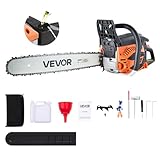
Gas-powered chainsaws are favored for their portability and power. Farmers often choose these chainsaws for demanding tasks, such as cutting down large trees or clearing thick brush. They typically feature larger engines, providing the torque necessary for continuous heavy-duty work without being tethered to a power outlet. Common models range from 30cc to 70cc engines, enabling quick cuts on various tree sizes. Fuel tanks generally hold up to 20 ounces, allowing extended use without frequent refueling. These chainsaws excel in remote areas where electricity isn’t available, making them ideal for extensive fields or forests.
Electric Chainsaws
Electric chainsaws, both corded and battery-operated, present a quieter and lighter alternative. Farmers often select electric models for tasks such as pruning trees or trimming hedges, where mobility is less of a concern. Corded chainsaws provide consistent power while eliminating the need for fuel, but they may restrict movement due to their reliance on electrical outlets. Battery-powered chainsaws offer flexibility and are increasingly popular; most models are lightweight and easy to maneuver, with runtimes typically ranging from 30 to 60 minutes on a full charge. These chainsaws suit small to medium-sized operations and are eco-friendly, producing zero emissions during use, which supports sustainable farming practices.
Safety Considerations for Farmers
Safety is crucial when using chainsaws on farms. Farmers must address various factors to minimize risks and ensure safe operation.
Protective Gear and Equipment
Protective gear is essential for farmers operating chainsaws. Items include:
- Helmet: Protects the head from falling branches and debris.
- Face Shield: Shields the face and eyes from flying particles.
- Hearing Protection: Reduces noise exposure, preventing hearing damage.
- Gloves: Enhances grip and protects hands from cuts and abrasions.
- Chaps: Offers protection to legs against accidental cuts.
- Sturdy Footwear: Provides support and safety from equipment hazards.
Using this gear minimizes injuries during chainsaw operation, promoting a safer farming environment.
Training and Best Practices
Proper training on chainsaw operation is crucial for farmers. Key practices include:
- Formal Training: Participating in chainsaw safety courses equips farmers with essential skills.
- Pre-Use Inspection: Checking the chainsaw for any issues before use ensures it operates correctly.
- Safe Cutting Techniques: Practicing techniques like maintaining a proper stance and keeping hands away from the cutting area reduces accidents.
- Storing Equipment Safely: Storing chainsaws in secured locations prevents unauthorized access and accidents.
- Following Manufacturer Guidelines: Adhering to instructions for specific chainsaw models extends tool life and enhances safety.
Implementing these training practices ensures farmers operate chainsaws efficiently and safely.
Conclusion
Chainsaws are more than just tools; they’re essential assets for modern farmers. Their versatility allows me to tackle a variety of tasks efficiently, from land clearing to timber harvesting. By streamlining these processes, I can focus on what truly matters—growing my crops and managing my land effectively.
Using the right chainsaw, whether gas-powered or electric, enhances my productivity while ensuring I maintain safety through proper gear and training. As farming continues to evolve, chainsaws will undoubtedly remain a critical component in my toolkit, helping me adapt to challenges and improve my farming practices.