If you’re someone who’s ever picked up a chainsaw to tame the wild chaos of your backyard or work a forestry project, you might have heard the term “CC saw” tossed around. But what exactly is a CC saw? And why should you care?


DISCLOSURE: https://chainsaws.io/ is supported by you the reader so if you buy any products featured on this site I may earn an affiliate commission. As an Amazon Associate I earn from qualifying purchases
This guide breaks down everything you need to know about CC saws, including:


- What makes a CC saw tick
- How it actually works
- Picking the right one for your job
- Staying safe while out there
- Keeping your saw in tip-top shape
Ready to slice through the mystery? Let’s immerse.
What Is a CC Saw?
A CC saw, often just called a “chainsaw,” is a powerhouse tool used to cut through wood with speed and precision. The “CC” stands for “cubic centimeters,” referring to the engine displacement, the size of the engine inside. It’s like measuring the heart of your saw.


Key Features and Components of a CC Saw
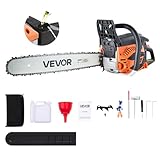
Your typical CC saw consists of several crucial parts:
- Engine: The core, measured in cubic centimeters (cc), determines power. Higher cc = more oomph but usually heavier.
- Guide Bar: The flat, elongated part the chain spins around to bite into wood.
- Chain: The chain has sharp teeth that do the actual cutting, kind of like a hungry metal snake.
- Throttle and Handle: You control how fast the chain runs and keep a firm grip here.
For the forestry pros like me, knowing these parts is essential whether you’re felling trees or trimming branches. The cc size lets you match the saw to your task, smaller engines for light yard work, bigger beasts for heavy-duty forestry.
How Does a CC Saw Work?
At its core, a CC saw uses an internal combustion engine to spin the chain at high speed around the guide bar. When you press the throttle, fuel mixes with air and ignites in the cylinder, rapidly powering the engine.
Types of CC Saws and Their Uses
You’ve got a few flavors:
- Gas-powered CC Saws: These are the heavy hitters. With engine sizes ranging from 30 cc up to 120 cc or more, they’re great for forestry, heavy tree felling, and longer projects. They’re loud, smelly, and powerful.
- Electric CC Saws: More environment-friendly and quieter, with less maintenance. They typically have smaller engine equivalents but are perfect for garden trimming and light cutting.
- Cordless Battery CC Saws: The ultimate in portability. Not as powerful as gas models, but ideal for DIYers and casual users who want convenience without the cords tangling.
Each type’s suited for different tasks, so picking one is about balancing power, convenience, and the job at hand.
Choosing the Right CC Saw for Your Project
You’re standing in a forest or surveying the garden, wondering what saw fits your needs. The right saw lets you work smart, not hard.
Consider these factors:
- Project size and type: Small pruning or firewood cutting? A 30-40cc saw might do. Big hardwood trees? You’re looking at 50 cc and up.
- Experience level: If you’re just starting out, lighter and less powerful saws reduce recoil and fatigue.
- Portability: Battery models offer ease but beware of run time limits.
- Budget: Bigger CC means higher cost and upkeep.
Essential Safety Tips When Using a CC Saw
Chainsaws don’t mess around, so safety isn’t optional:
- Wear protective gear: Helmet, eye protection, gloves, and chaps can save you in tricky moments.
- Check your environment: Keep your path clear, know your escape routes, and be alert for falling branches.
- Maintain a firm grip: Always use two hands and stay balanced.
- Never cut above shoulder height: It’s tempting, but dangerous.
For pros and weekend warriors alike, these tips keep you singing not limping.
Maintenance and Care for Longevity
A well-loved CC saw can last decades if you treat it right.
- Regular cleaning: Sawdust loves to sneak into your engine and chain mechanism. Clean after every use.
- Check the chain tension: Too loose or too tight can cause damage and accidents.
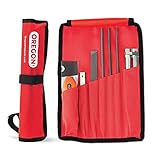
- Sharpen the chain: Dull teeth mean slow cutting and more engine strain.
- Fuel mix: Use fresh gasoline mixed correctly with two-stroke oil as per your saw’s manual.
- Store properly: Keep it dry, cool, and covered or in a case.
Common Problems and Troubleshooting Tips
Here are some headaches, and their cures, every saw user faces:
- Hard starting: Check the spark plug and carburetor, and make sure the fuel is fresh.
- Chain won’t move: Might be a broken drive sprocket or clutch, time for replacement.
- Overheating: Could be clogged air filters or lack of lubrication on the chain.
- Vibration issues: Loose handles or bad engine mounts contribute: don’t ignore the discomfort.
Routine checks save a trip to the repair shop and keep your saw ready for action.
Conclusion
Mastering your CC saw can transform daunting woodswork into a satisfying and efficient task. Here’s a quick rundown to keep in mind:
- Understand what “CC” means and why engine size matters.
- Choose the type of CC saw based on your project, from battery-operated trims to gas-powered giants.
- Safety gear and smart habits protect you in every cut.
- Keep your saw clean, sharp, and tuned for longer life.
- Know common issues and how to troubleshoot them quickly.
With this guide, you’re ready to handle your CC saw like a pro, whether you’re managing towering forest giants or crafting a cozy backyard retreat. And remember, every expert chainsaw user was once a newbie who dared to start cutting.