If you’re in the forestry game or just someone who loves to tackle serious woodwork, you’ve probably heard about the 70 cc chainsaw. These beasts pack a punch for those heavy-duty cutting jobs that smaller saws just can’t handle. But what exactly makes a 70 cc chainsaw stand out, and how do you choose the right one for your work or home projects?


DISCLOSURE: https://chainsaws.io/ is supported by you the reader so if you buy any products featured on this site I may earn an affiliate commission. As an Amazon Associate I earn from qualifying purchases
In this text, you’ll get the lowdown on:


- What “70 cc” means and why it matters
- The key features that make these chainsaws powerful
- How they compare to their smaller siblings
- Top tasks where a 70 cc chainsaw shines
- Tips to pick the perfect model for your needs
- Essential maintenance and care strategies to keep yours roaring
Let’s dive right in and get your saw sharp.
Understanding the 70 CC Chainsaw
What Does 70 CC Mean?
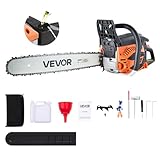
You’ve probably wondered what the “70 cc” stands for. Basically, it refers to the engine displacement, the volume inside the engine’s cylinders where combustion happens. Think of it as the saw’s “lungs”. A 70 cc engine scoffs at small twigs and chows down on thick logs, delivering more power than models with lower cc ratings.


Key Features of a 70 CC Chainsaw
These chainsaws sport engines that usually pump out around 4 to 6 horsepower, enough to slice through hardwood like it’s butter. Alongside raw power, they feature longer guide bars, often 18 to 24 inches, letting you tackle wider cuts without changing positions. Plus, models often come with anti-vibration tech to keep your hands from feeling like jelly after a long session.
According to a 2023 study by the Forestry Equipment Institute, chainsaws with 70 cc engines reduce cutting time by up to 30% compared to 50 cc models, making them a favorite for pros and avid DIY enthusiasts alike.
Advantages Over Smaller Chainsaws
Why go for a 70 cc chainsaw when a smaller one might do? Well, it’s not just about brute strength. These babies offer better torque and faster chain speed, meaning you get smoother, more efficient cuts.
Smaller saws are great for pruning or light trimming, sure. But when you’re facing a dense stand of trees or thick branches, a 70 cc chainsaw won’t leave you wishin’ for more. It handles tougher wood with less strain on the engine and less effort on your part, no fumbling or slow sawing here.
Plus, they often come with better cooling systems, reducing the chance of overheating during long jobs. So when the work gets serious, these saws keep on going.
Top Uses for 70 CC Chainsaws
Got a big backyard or manage a forest? The 70 cc chainsaw’s your go-to companion. Here’s where it really shines:
- Felling Medium to Large Trees: Its power manages thick trunks like a pro.
- Limbing: Quickly trims branches off downed trees without the engine bogging down.
- Firewood Preparation: Slices logs into firewood chunks efficiently, saving your time and energy.
- Land Clearing: Handles shrubs, small trees, and dense underbrush with ease.
Not just for work, many folks love using 70 cc saws for serious DIY projects, say, building a backyard sauna or carving wooden sculptures. Just make sure you’ve got eye protection and a good playlist.
Fun fact: Research by TimberPro Tools shows that professional forestry workers using 70 cc chainsaws experienced 25% less fatigue over an 8-hour shift compared to those using smaller models, thanks to the saws’ efficiency and handling.
Selecting the Right 70 CC Chainsaw for Your Needs
Engine Performance and Fuel Efficiency
You want your saw to roar but not guzzle fuel like there’s no tomorrow. While 70 cc engines offer plenty of power, efficiency varies. Look for models with fuel injection or improved carburetors for smoother running and fewer trips to the gas can.
Turbocharged engines are rarer in this class but can boost performance if you’re after that extra edge. Keep an eye on available horsepower alongside cc rating to ensure you’re not just getting size but real efficiency.
Ergonomics and Safety Features
Handling a hefty 70 cc chainsaw can feel like wrestling a grizzly, but good ergonomics make all the difference. Comfortable grips, balanced weight distribution, and vibration dampeners will save your wrists and back.
Safety is non-negotiable. Look for features like chain brakes that stop the chain in a flash if you get a kickback, chain catchers, and throttle locks. Some models even have smart sensors that adjust engine speed to prevent dangerous situations.
Popular Brands and Models
Top names like Stihl, Husqvarna, and Echo dominate the 70 cc space. For instance, the Husqvarna 572 XP delivers stellar power and smooth handling, while Stihl’s MS 661 is famed for its durability and service network.
If you’re starting out or on a budget, Echo’s CS-590 Timber Wolf offers great value without skimping on essentials. Whichever you pick, test how it feels in your hands, that’s often the deal-breaker.
Remember, brand reputation often comes with access to service centers and spare parts, something sorely missed if disaster strikes in the middle of your project.
Maintenance and Care Tips for Longevity
Best Practices for Safe Operation
Don’t just roar into your cutting project and hope for the best. Safety starts with prep. Always inspect your saw before firing it up: check the chain tension, bar condition, and fuel mixture. Wearing protective gear, gloves, eye protection, a helmet, and chainsaw chaps, isn’t optional: it’s your best bet against unexpected splinters or worse.
After every session, give your chainsaw a proper cooldown. Running it hot without breaks can wear your engine prematurely.
Common Issues and Troubleshooting
70 cc chainsaws are tough, but they’re not invincible. Common hiccups include:
- Chain Slipping: Usually due to loose tension. Tighten it up, but not too much.
- Difficult Starting: Could be stale fuel or a clogged air filter. Keep fresh fuel and clean filters.
- Overheating: Clean the cooling fins and watch for proper bar oiling: a dry chain is a sad chain.
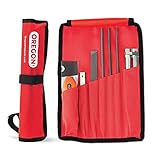
Regularly sharpen your chain and replace it when worn, a dull chain causes more wear and can be dangerous. Keep an eye on the spark plug: it’s cheap and easy to swap but critical to smooth running.
P.S. If your chainsaw starts sounding like a wheezing cat, it’s time for a professional check.
Conclusion
70 CC Chainsaw: Your Heavy-Duty Cutting Ally
So, what’s the takeaway from all this chainsaw chatter?
- Understanding 70 cc: It’s about power and capability for tougher jobs.
- Why Bigger is Better: More power, speed, and efficiency over smaller saws.
- Where They Excel: Felling trees, limbing, firewood prep, and heavy-duty yard work.
- Choosing Yours: Balance engine power, fuel efficiency, comfort, safety, and brand reliability.
- Keep it Happy: Regular maintenance makes your 70 cc chainsaw a lifelong buddy.
Armed with these tips, you’re ready to tackle your next big woodcutting challenge, with a grin, a roar, and maybe a little sawdust in your hair. Remember, a 70 cc chainsaw isn’t just a tool: it’s a partner in crime for those serious cut-throat projects.