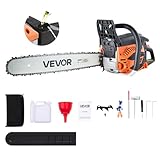
If you’re thinking about tackling some serious woodcutting, a 20-inch, 59.8 cc gas 2 stroke cycle chainsaw might just be your new best friend. This powerful tool is popular among forestry professionals and DIY garden warriors alike. In this text, you’ll learn:


DISCLOSURE: https://chainsaws.io/ is supported by you the reader so if you buy any products featured on this site I may earn an affiliate commission. As an Amazon Associate I earn from qualifying purchases
- What makes a 2 stroke cycle chainsaw tick
- Why the 59.8 cc engine packs a punch
- The perks of a 20-inch bar length
- How to balance power with fuel efficiency
- Tips on maintaining your chainsaw so it keeps running like a champ
- Essential safety advice to keep your fingers intact
- Differences between 2 stroke and 4 stroke chainsaws
- How to get the most out of your chainsaw in various projects
Ready to become the chainsaw pro in your neighborhood? Let’s immerse.


Understanding the Basics of a 2 Stroke Cycle Chainsaw
First things first: what’s a 2 stroke cycle chainsaw anyway? Unlike a 4 stroke engine, which has four distinct movements to complete an engine cycle, a 2 stroke does it all in just two. This means your chainsaw gets a power stroke every revolution, delivering a burst of power more frequently.
Because 2 stroke engines mix oil with fuel, they’re lighter and simpler in design, perfect for the kind of nimble and portable power you need when you’re swinging through dense woods or pruning in the backyard. On the flip side, they tend to run louder and less efficiently, with more emissions. Still, in forestry and DIY chainsaw work, the 2 stroke engine hits a sweet spot between power, portability, and cost.



Key Features of a 20-Inch, 59.8 CC Gas Chainsaw
Let’s break down what makes this chainsaw stand out, it’s all about the engine size and bar length working together for some serious woodcutting grunt.
Performance Benefits of the 59.8 CC Engine
The 59.8 cc displacement means the engine’s cylinder volume is just right for jobs requiring tough cutting power without being unwieldy. Forestry pros appreciate this size because it delivers around 3 horsepower. That’s enough muscle to handle medium to large trees, trimming thick branches, or cutting large firewood logs.
Fun fact: According to a study by the Outdoor Power Equipment Institute, chainsaws around this size hit a sweet spot for both torque and manageable weight, fairly crucial when you’re holding the thing all day.
Advantages of the 20-Inch Bar Length
If you’ve ever used a chainsaw, you know how important the bar length is. At 20 inches, this chainsaw’s bar is just long enough to slice through sizeable tree trunks without being too heavy or awkward.
This length helps you cut through logs up to 18-20 inches in diameter in one go. It’s a solid all-rounder, longer bars can get bulky and require more skill, shorter ones limit your cutting range. So this 20-inch bar size covers most forestry and homeowner projects with ease.
Fuel Efficiency and Power Output
It’s no secret gas-powered 2 stroke engines like this one aren’t the greenest kids on the block. But because the 59.8 cc engine is tuned carefully, you get an okay balance between power and fuel use. On average, such chainsaws consume around 0.5 to 0.7 gallons of fuel per hour depending on workload.
That’s efficient enough for a full day’s cutting, as long as you keep your carburetor well-tuned and use fresh fuel. Mixing oil and gas at the correct ratio, typically 50:1, not only lubricates the engine but also optimizes combustion.
Tip: Storing fuel in a sealed container and avoiding old gas can prevent starting headaches common to 2 stroke engines.
Proper Maintenance for Optimal Chainsaw Performance
Want your chainsaw to be your lifelong work buddy? Maintenance is non-negotiable. Here’s your quick checklist:
- Regularly clean the air filter. A clogged filter chokes power.
- Sharpen the chain often, because a dull chain is slow, dangerous, and messier.
- Check chain tension daily, too tight and the bar wears fast: too loose and you risk kickbacks.
- Clean bar groove and oil holes to keep bar oil flowing smoothly.
- Inspect spark plugs and replace annually or if the chainsaw’s cranky.
Ignoring these basics can turn your powerful 59.8 cc beast into a sputtering paperweight faster than you can say “timber.”
Essential Safety Tips When Using Gas-Powered Chainsaws
Chainsaws demand respect, one wrong move and you might be the star of a blooper reel nobody wants to watch. Here’s the lowdown to keep you safe:
- Always wear protective gear: helmet with face shield, gloves, ear protection, and chainsaw chaps.
- Start the saw on a flat surface, never in mid-air.
- Maintain proper stance with feet firmly planted.
- Keep both hands on the saw handles at all times.
- Beware of kickback, especially with the tip of the bar.
- Never cut above shoulder height, gravity is not your friend here.
Following these tips not only keeps you intact but also helps you get the job done faster with less fatigue.
Comparing 2 Stroke Cycle Chainsaws with 4 Stroke Alternatives
You might wonder: should you stick with a 2 stroke engine or try a 4 stroke chainsaw? The choice boils down to what you value most.
2 stroke chainsaws like our 59.8 cc beast are lighter, simpler, and usually more powerful for their size. This makes them favorites in the forestry world.
4 stroke chainsaws, on the other hand, are generally quieter, cleaner burning, and fuel-efficient but bulkier and heavier, better suited for occasional users or places with strict emissions rules.
Best Practices for Using a 20 In 59.8 CC Chainsaw Effectively
To get the most out of your 20-inch, 59.8 cc chainsaw:
- Start with sharp chains and clean filters.
- Maintain steady cuts instead of forcing the saw.
- Use proper cutting techniques like the notch and back cut for felling trees.
- Take breaks to prevent overheating and fatigue.
Popular Applications and Ideal Use Cases
This chainsaw excels in several scenarios:
- Harvesting medium to large timber in forestry operations.
- Preparing firewood for winter.
- Property clearing and brush removal.
- Large garden projects like building timber fences or trimming mature trees.
Its versatility makes it a favorite for those balancing professional tasks and home DIY projects.
Conclusion
20 In 59.8 CC Gas 2 Stroke Cycle Chainsaw: Power and Practicality Wrapped In One
Harnessing the might of a 59.8 cc engine with a 20-inch bar length gives you a powerful and flexible chainsaw suitable for tough forestry and garden jobs. Remember:
- The 2 stroke cycle engine delivers quick power strokes but requires careful fuel mix and maintenance.
- The 20-inch bar hits a perfect balance for handling large logs without overkill.
- Regular upkeep and safety gear keep you and your chainsaw in prime condition.
- Weigh your options between 2 stroke and 4 stroke models depending on your needs.
So, whether you’re felling trees or tackling backyard projects, your 20 in 59.8 cc chainsaw is ready to get down to business. Just keep those fingers safe and that chain sharp.