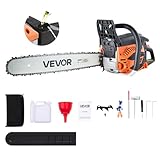
If you’re in the market for a chainsaw that balances power and maneuverability, the 18 in 40.2 cc gas 2 stroke cycle chainsaw should definitely be on your radar. Whether you’re managing forest land or tackling your backyard projects, understanding what makes this tool tick can save you from headaches (and maybe a few splinters).


DISCLOSURE: https://chainsaws.io/ is supported by you the reader so if you buy any products featured on this site I may earn an affiliate commission. As an Amazon Associate I earn from qualifying purchases
In this text, you’ll discover:


- The fundamentals of how 2 stroke cycle chainsaws operate
- Key features that define the 18 in 40.2 cc model
- Tips for improving fuel efficiency and maintaining your chainsaw
- Essential safety practices to keep you accident-free
- How to pick the chainsaw that fits your unique needs
Understanding the Basics of 2 Stroke Cycle Chainsaws
You’re probably wondering, what exactly is a 2 stroke cycle chainsaw? In a nutshell, it’s a powerhouse tool that runs on a two-stroke engine, meaning the engine completes a power cycle with just two strokes of the piston during only one crankshaft revolution. This rapid process gives you more power for each cycle compared to a four-stroke engine of similar size.
These chainsaws are popular in forestry after all, because they’re lighter and simpler, translating to better maneuverability when you’re dancing through dense woods or trimming your garden hedges. Plus, the 2 stroke engine’s design cuts down on weight and parts, meaning fewer things that can go wrong when you’re far from the repair shop.



One caveat: the fuel and oil mix is crucial for keeping this little beast happy, and it demands more frequent maintenance than its four-stroke cousins. But that’s part of the thrill, right?
Key Features of the 18 In 40.2 CC Chainsaw
Engine Specifications and Performance
With a 40.2 cc gas engine, this chainsaw sits comfortably in that sweet spot where power meets manageability. You’re looking at an engine that pumps out enough kick to cut through medium-sized logs and limbs without the arm workout that bigger saws demand.
Its two-stroke cycle allows for a high power-to-weight ratio, making it perfect for extended use without unnecessary fatigue. Industry data shows that chainsaws in this class deliver around 2.5 to 3.5 horsepower, giving you quick throttle response and reliable cutting performance for various tasks, from forestry management to DIY wood projects.
Bar Length and Cutting Capacity
An 18-inch bar is versatile, long enough for significant cuts but nimble enough for precision work. Whether you’re bucking logs for firewood or trimming larger branches, this bar length balances reach and control.
Cutting capacity typically matches the bar length, so expect to tackle logs up to roughly 18 inches in diameter, giving you a solid workload range without switching to a heavier saw.
Design and Ergonomics for User Comfort
The folks who design these workhorses know you’ll be gripping this saw for hours. That’s why the handle design includes anti-vibration features to reduce arm fatigue and enhance comfort.
The balanced weight distribution ensures the saw feels steady and responsive, not like you’re wrestling a wild animal through the forest. Plus, features like easy-start mechanisms and intuitive choke controls mean you spend less time wrestling with your equipment and more time getting stuff done.
Fuel Efficiency and Maintenance Requirements
How to Properly Maintain a 2 Stroke Chainsaw
Maintenance is king with any gas-powered chainsaw, but especially here. Think of it as an expense that rewards you with better performance and a longer tool life. Keep the spark plug clean, check the air filter regularly, and inspect the chain tension.
Don’t wait until the saw feels sluggish or smoky, early maintenance prevents costly repairs. A clean saw runs cooler and cuts smoother.
Fuel Mixing and Storage Guidelines
Since this is a 2 stroke engine, you’ll need to prepare a fuel mix of gasoline and 2 stroke oil. The standard ratio is often 50:1, meaning 50 parts gasoline to 1 part oil, but always check your owner’s manual to avoid turning your engine into a smoky mess.
Store your fuel mix in approved containers, away from direct sunlight or heat sources to prevent degradation. Fuel older than 30 days can start causing trouble.
Routine Cleaning and Part Replacement
Chainsaw chains get dull: it’s just part of the game. Sharpen your chain regularly, or replace it when it shows signs of excessive wear.
Keep your saw’s air filter and cooling fins clean from sawdust and debris. A clogged filter makes your engine work harder, reducing fuel efficiency and increasing wear.
Routine cleaning not only keeps your saw humming but also lowers the chance of overheating or unexpected breakdowns.
Safety Tips for Using a Gas-Powered Chainsaw
Safety is non-negotiable when you’re wielding an 18-inch chainsaw with a roaring 40.2 cc motor. First, always wear protective gear: safety goggles, ear protection, gloves, and chainsaw chaps are your best friends.
Never cut above shoulder height or when you’re tired and distracted. Chainsaws can kick back, meaning the saw jumps back at your face or hands if you hit a knot or the tip contacts an object. Seriously, it’s like the chainsaw’s version of spitting mad.
Keep a firm grip and clear your work area. Always make sure your footing is solid. Remember, it’s not just about your hands but your whole body staying in control to avoid accidents.
Finally, familiarize yourself with your saw’s safety features like chain brakes and throttle locks. Don’t skip the user manual: it’s your cheat sheet for preventing disasters.
Choosing the Right Chainsaw for Your Needs
Picking the right chainsaw isn’t a one-size-fits-all deal. You need to consider what kind of cutting you’ll be doing most.
If you’re managing forests or serious yard work with medium to large branches and logs, an 18 in 40.2 cc chainsaw provides a nice balance of power and maneuverability. Its engine size is robust enough for tough jobs but not so heavy it feels like a gym session.
For lighter tasks like trimming small branches, a smaller gas or electric chainsaw might be easier and more economical.
Think about frequency, portability, and your comfort level too. Trying to wrestle a chainsaw that’s too big isn’t fun or safe. This model’s features, like good ergonomics and manageable bar length, make it a versatile choice for many users.
Conclusion
Getting to know the 18 in 40.2 cc gas 2 stroke cycle chainsaw means you’re better equipped to handle your forestry or DIY projects with confidence and a bit of swagger.
Here’s a quick takeaway list to keep in mind:
- 2 stroke chainsaws offer powerful, lightweight performance ideal for varied cutting tasks
- The 18-inch bar length strikes a practical balance between reach and control
- Regular maintenance and proper fuel mixing are essential to keep your saw running smooth and efficient
- Safety gear and cautious handling can prevent most chainsaw injuries
- Match your chainsaw choice to your cutting needs to avoid frustration and fatigue
With these tips and insights, you’re armed with more than just a tool, you’ve got a partner ready to tackle the work, so you can keep the forest (and your garden) looking sharp.