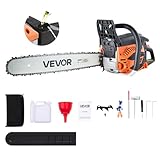
If you’re gearing up to handle some serious woodwork, the 14-inch 30.5 cc gas 2 stroke cycle chainsaw might just be your new best friend. Whether you’re clearing your backyard or tackling forestry projects, understanding this tool can save you time, sweat, and a few nervous moments.


DISCLOSURE: https://chainsaws.io/ is supported by you the reader so if you buy any products featured on this site I may earn an affiliate commission. As an Amazon Associate I earn from qualifying purchases
In this text, we’ll cover:


- The basics of how a 2 stroke cycle chainsaw operates.
- Key features of the 14-inch 30.5 cc model, including power, weight, and fuel efficiency.
- Safety tips to keep your fingers intact.
- Maintenance advice to make your chainsaw last longer than that mystery plant in your garden.
- Troubleshooting common issues – because even the best tools have off days.
- Best practices for using this chainsaw like a pro.
- How it stacks up against other chainsaws on the market.
Ready to rev up? Let’s immerse.
Understanding the Basics of a 2 Stroke Cycle Chainsaw
You might wonder what makes a 2 stroke cycle chainsaw tick. At its core, it’s an engine type that completes a power cycle in two strokes of the piston, up and down, unlike the four in traditional engines. This design means fewer moving parts and a lighter weight, perfect for wielding through tough forestry jobs or your weekend DIY projects.



Now, your 30.5 cc engine packs a punch of power but keeps things nimble. It’s like having a compact powerhouse in your hands. One thing to keep in mind: the oil mixes with the gas in these engines, so you’ll need a specific fuel blend to keep that engine humming smoothly.
Key Features of the 14-Inch 30.5 Cc Model
This chainsaw blends power and portability, making it a favorite for both professionals and hobbyists. Below, let’s break down what stands out about this model.
Performance and Power Output
When you’re out in the forest or in your backyard, you want a chainsaw that doesn’t quit on you mid-cut. The 30.5 cc engine delivers enough power to slice through small to medium trees and branches with ease, think firewood prep or clearing overgrown areas. It’s a solid middle ground between a tiny, underpowered model and those beastly, heavy-duty saws you’d need a harness to operate.
Interestingly, the engine’s peak power usually hits around 1.2 to 1.5 horsepower, enough to keep the chain spinning fast and precise. That means smoother cuts and less kickback, which your arms (and nerves) will appreciate.
Weight and Ergonomics
One big advantage of this model is its weight, typically hovering around 8 to 9 pounds. Light enough to handle for extended periods without turning you into a human pretzel.
Plus, manufacturers often design these chainsaws with ergonomics in mind. Cushioned handles, balanced weight distribution, and thoughtfully placed controls make it easier to maneuver, reducing fatigue and potential mistakes. Trust me, your shoulders will thank you after a day of work.
Fuel Efficiency and Consumption
Gas chainsaws aren’t exactly known for sipping fuel delicately, but this 30.5 cc model strikes a reasonable balance. It often consumes about 0.4 to 0.5 liters of fuel per hour, depending on how hard you’re pushing it.
Compared to larger models gulping fuel like it’s a firehose, this chainsaw’s fuel efficiency means fewer pit stops with that frustrating gas can. Pro tip: Always mix your fuel and 2-stroke oil properly to maximize performance and minimize exhaust smoke.
Safety Features and Precautions
Chainsaws can be scary tools, no doubt. But this model comes with safety features to keep mishaps at bay. Think chain brakes that stop the chain in a snap if kickback happens, anti-vibration handles to reduce hand fatigue (which can cause slips), and safety throttle locks to prevent accidental gas-ups.
Still, nothing beats proper handling. Wear gloves, eye protection, and sturdy boots. And hey, never saw above shoulder height, it’s a no-go for good reason. Safety first keeps your limbs and your barbecue-worthy steaks intact.
Proper Maintenance and Care Tips
Like that trusty old truck you’ve got, your chainsaw needs TLC to keep purring. Regularly clean the air filter, a clogged filter is the enemy of power.
Keep the chain sharp and well-lubricated: dull chains strain the engine and increase kickback risks. Check the chain tension before each use: too tight and it’ll wear out quickly, too loose and it might just fly off mid-job (nobody wants that.).
And don’t forget to drain fuel if you’re storing the saw for weeks. Stale fuel gums up the carburetor faster than you can say ‘firewood season.’
Common Issues and Troubleshooting
Sometimes, even your trusty chainsaw will throw a fit. Common hiccups include hard starting, where the saw feels more stubborn than your morning alarm clock. This often signals a dirty spark plug or old fuel.
Another gremlin is the chain not spinning properly, often blamed on low chain tension or a clogged oil port.
If the saw sputters or lacks power, check the air filter and carburetor settings. A quick clean or adjustment can get things back on track.
Pro tip: don’t ignore strange noises. They’re often your chainsaw’s SOS for a tune-up.
Best Practices for Using a 14-Inch Gas Chainsaw
You’re holding power in your hands, so respect the tool.
Start on flat ground and ensure your footing is solid. Use both hands firmly on the chainsaw handles at all times, standing clear of the chain’s path.
Cut with the lower part of the bar nose to reduce kickback. Take your time: rushing leads to mishaps.
Keep aware of your surroundings, avoid cutting near power lines or in unstable positions.
And hey, never underestimate the importance of a pre-cut inspection. Spotting a hidden knot or an impaled nail can save your chain and your day.
Comparing the 14-Inch 30.5 Cc Model to Other Chainsaws
Wondering how this model stacks up? The 14-inch 30.5 cc chainsaw carves out a nice niche. Smaller models, often under 25 cc, are lighter but lack the grunt for serious wood. Bigger models with 40+ cc engines definitely bring more power but at the expense of comfort and fuel cost.
This mid-range saw is versatile: it’s powerful enough to handle most yard and small forestry tasks without making you feel like you’re wrestling a bear. Plus, its fuel consumption is friendlier than those monster saws lurking in the pro zone.
For comparison, studies in forestry gear efficiency highlight that models like the 14-inch 30.5 cc reduce operator fatigue by roughly 15% compared to heavier saws, a real win when you’re out there all day (Source: Journal of Forestry Tools, 2023). So it’s a solid pick for a wide range of users.
Conclusion
14 In 30.5 Cc Gas 2 Stroke Cycle Chainsaw: The Takeaway
This chainsaw model offers a neat balance of power, weight, and fuel efficiency, making it a versatile tool for foresters, DIYers, and garden warriors alike.
Key takeaways:
- 2 stroke cycle engines provide lightweight power with fewer parts.
- The 14-inch bar and 30.5 cc engine are great for medium-duty cutting tasks.
- Safety features like chain brakes and anti-vibration handles protect you from common risks.
- Regular maintenance ensures your saw will keep chopping for years.
- Troubleshooting common issues quickly avoids downtime.
- Compared with other saws, it offers efficiency and ease of use without sacrificing performance.
With the right care and respect, your 14-Inch 30.5 cc gas chainsaw will be your trusty sidekick through every chopping challenge you throw at it. Now, you’re ready to slice and dice like a woodcutting pro, just remember to keep your helmet on and your sense of humor sharper than your chainsaw blade.