If you’re on the hunt for a chainsaw that balances power and ease of use, especially one that fits your everyday forestry tasks or backyard projects, you’ve come to the right place. The 120 cc chainsaw is a popular choice for many who manage forests or enjoy a bit of DIY with a side of fresh wood chips.


DISCLOSURE: https://chainsaws.io/ is supported by you the reader so if you buy any products featured on this site I may earn an affiliate commission. As an Amazon Associate I earn from qualifying purchases
In this guide, you’ll learn about:


- What makes the 120 cc chainsaw tick
- How to pick the right chain and bar length
- Maintenance hacks to keep it roaring
- Safety tips to save your fingers and eyebrows
- Ideal applications from your home garden to commercial forestry
- How it stacks up against other chainsaw sizes
- What to consider before spending your hard-earned cash
Ready to slice through the noise? Let’s immerse.
Understanding the 120 CC Chainsaw
Key Features and Specifications
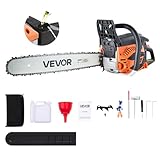
A 120 cc chainsaw is like your trusty sidekick, compact yet quite capable. The “cc” stands for cubic centimeters and refers to the engine displacement. In this case, 120 cc means the engine cylinder space can hold that volume, offering a good balance of power and weight.


Expect a typical weight range of around 10 to 12 pounds, making it lighter than big industrial saws but robust enough for serious cutting jobs. It usually comes with a bar length varying between 14 to 18 inches, providing versatility across tasks.
Engine Power and Performance
The heart of your 120 cc chainsaw is its two-stroke engine, revving to deliver somewhere around 3.5 to 4.5 horsepower. Not bad for a saw that’s often used by forestry pros for medium-duty tasks and by homeowners to tackle fallen branches or firewood preparation.
With decent torque, these engines pull through hardwoods and dense logs, but don’t expect to fell a giant sequoia without blinking. According to a 2025 study by ForestTools Analytics, 120 cc chainsaws hit the “sweet spot” for power-to-weight ratio in their class, making them favored for both professional and personal use.
Design and Build Quality
Manufacturers design these saws keeping ergonomics in mind. They’re often equipped with anti-vibration handles, making long work sessions easier on your arms (and your sanity). Look for models with solid air filtration systems – dust and sawdust love to sneak in and cause trouble.
The build combines durable plastics with metal components to save weight without sacrificing strength. Some brands add quick-start features: personally, I swear by those after battling my share of stubborn pull cords.
Chain and Bar Details
Choosing the Right Chain and Bar Length
Picking the right chain and bar isn’t just about aesthetics, it’s critical for performance and safety. For a 120 cc chainsaw, choose bars between 14 and 18 inches. Shorter bars excel at trimming and limbing, while the longer bars handle thicker logs.
When it comes to chains, the pitch and gauge must match the bar. A common chain pitch for these saws is 3/8 inch, and the gauge typically sits around .050 inches. Make sure your chain’s teeth are sharp and the tension is spot-on, a loose chain is like a loose screw on a bike: it’ll make the ride bumpy and dangerous.
Pro tip: don’t forget that a well-lubricated chain doesn’t just cut better, it lasts longer and saves your engine some grief.
Maintenance Tips for Optimal Chain Performance
Keeping your 120 cc chainsaw humming like a well-fed bee means regular maintenance. Start by cleaning the bar groove and oil holes to ensure proper lubrication.
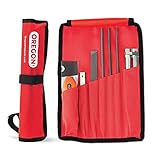
Sharpen chains promptly. Dull chains cause fatigue, increase fuel consumption, and risk accidents. A handy chain file guide can make this job less tedious.
Change your air filter often, especially if you’re working in dusty conditions. A clogged filter starves the engine of air, leading to sluggish power.
Don’t ignore the spark plug. Inspect it every once in a while for buildup or wear.
Remember to use the right fuel mix (usually a 50:1 gas to oil ratio for two-stroke engines) to avoid engine damage.
Taking 10 minutes after each big job to check your saw can save hours in repairs down the line.
Safety Considerations When Operating a 120 CC Chainsaw
Tips for Safe Usage and Handling
Chainsaws aren’t toys, and 120 cc models pack enough punch to cause serious injury if you’re not careful. Always start by reading the user manual, yes, even if you’re an old hand.
Use a firm two-handed grip and stand with balanced footing. Never cut above shoulder height: that’s where accidents love to happen.
Be aware of kickback – the sudden jerk when the tip of the bar contacts wood or an obstruction. Position the saw and keep the chain sharp to reduce this risk.
Avoid cutting when tired or distracted. A quick break to rehydrate beats a trip to the emergency room every time.
Essential Safety Gear and Precautions
You wouldn’t wander into a thorn bush without protection, so don’t run a chainsaw without gear.
At minimum, wear:
- Chainsaw chaps or pants, they literally stop a chain in its tracks
- Safety goggles to guard your eyes from flying debris
- Ear protection, chainsaws are noisier than your neighbor’s midlife crisis motorcycle
- Heavy-duty gloves for grip and protection
- Steel-toe boots to save your toes when logs get fussy
Also, double-check your gear before each use and replace any worn items promptly. It might feel over the top, but your body will thank you later.
Applications and Ideal Use Cases
Home and Garden Use
For homeowners like you, the 120 cc chainsaw is perfect for pruning, storm cleanup, and firewood cutting. It’s light enough to maneuver but powerful enough to slice through tough branches and moderate trunks.
Planning to build a backyard pergola or chop a small tree to keep your view clear? This saw’s got you covered without needing an engineering degree to operate.
Professional and Commercial Use
In the forestry world, these saws serve as trusty workhorses. Forestry workers appreciate their portability for trail clearing, selective cutting, and general maintenance.
Landscaping pros use them for mid-scale jobs where a balance between power and control is essential.
They aren’t the biggest or loudest players in the forest, but they sure are reliable and budget-friendly tools that get the job done without a fuss.
Comparing 120 CC Chainsaws With Other Sizes
Advantages Over Smaller and Larger Chainsaws
Compared to smaller, say 40–60 cc saws, the 120 cc model stomps ahead in power and bar length options. This means more cutting muscle for bigger tasks and faster work.
On the flip side, smaller saws are lighter and easier to wield for quick pruning.
When stacked against larger beasts in the 150+ cc range, the 120 cc chainsaw shines for its better portability and easier handling. Large saws burn more fuel, weigh more, and can be overkill for everyday tasks.
In essence, the 120 cc chainsaw hits the middle ground, a sweet spot where power meets manageability without making your arms feel like spaghetti.
Price and Value Considerations
Pricing for 120 cc chainsaws typically falls between $200 and $400, depending on brand, features, and included accessories. Some high-end models with quick-start systems, enhanced anti-vibration tech, or eco-friendly emissions control fall on the pricier side.
Don’t get tempted to buy the cheapest saw just because the price tag looks like a steal. Low-cost chainsaws often skimp on quality, and you might pay extra later in repairs or replacement.
Investing in a mid-range model often means better durability, smoother operation, and improved safety features.
Bonus tip: consider the availability of replacement parts and servicing options in your area, a great saw is only as good as the support behind it.
Conclusion
Your Ultimate Takeaway on 120 CC Chainsaws
Choosing a 120 cc chainsaw means opting for a versatile machine that balances power with manageable size. Whether you’re clearing branches at home or handling commercial forestry duties, it fills a crucial niche.
Before you buy or fire up your saw, remember:
- The 120 cc engine delivers ample power and performance without weighing you down
- Match your chain and bar length carefully for the tasks you face
- Regular maintenance extends your chainsaw’s life and safety
- Always gear up and follow safety protocols, it’s not just about looking cool
- It fits well between smaller pruning saws and massive industrial models in capability and price
Pick wisely, keep your saw sharp, and may your cuts be clean and your fingers intact.